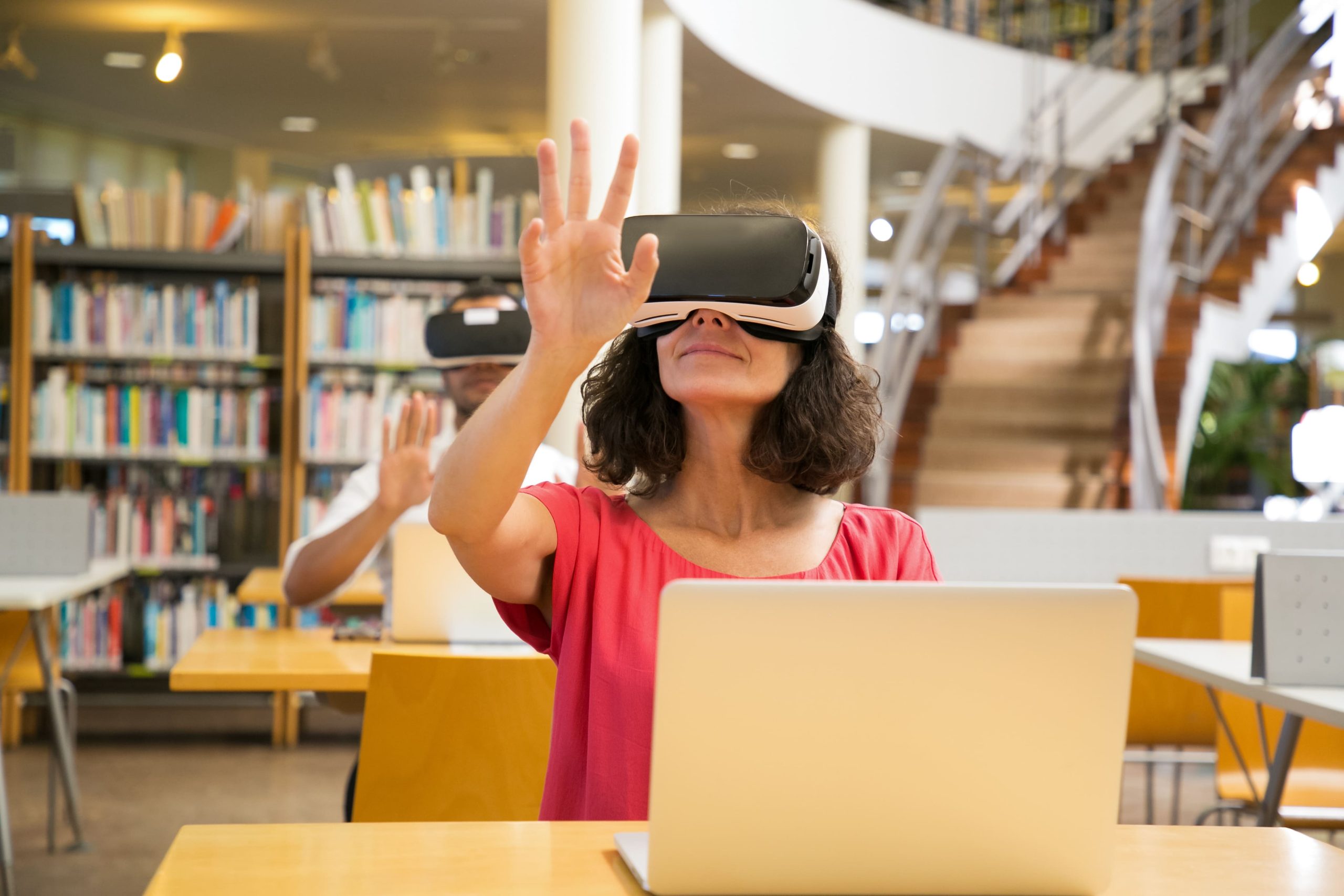


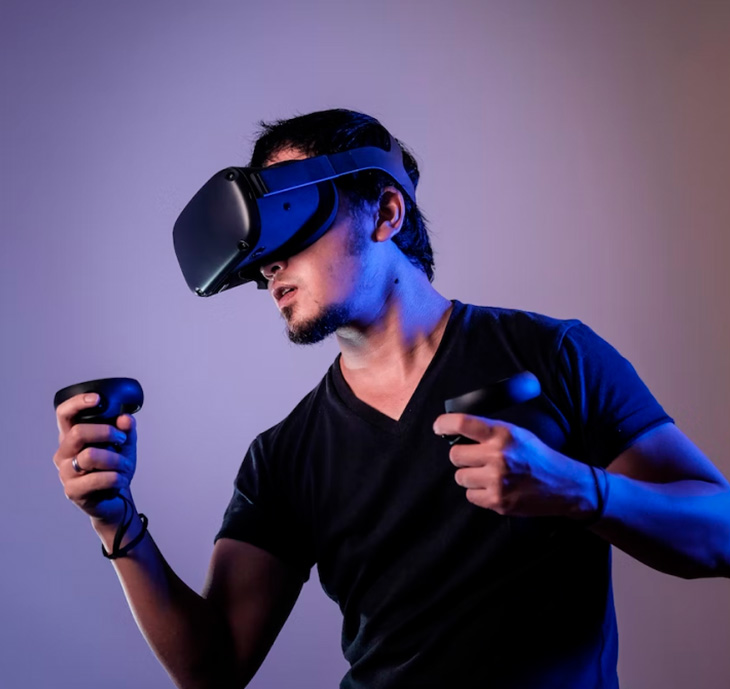
Immersive learning is an innovative educational approach that aims to engage learners in a highly interactive and sensory-rich environment, promoting deeper understanding and retention of knowledge. In this comprehensive guide, we will explore what immersive learning is and how it differs from traditional learning methods. Additionally, we’ll delve into the advantages and challenges of creating an immersive learning experience.
What is Immersive Learning?
Immersive learning is an educational approach that immerses learners in a simulated or real-world environment, often leveraging technology like virtual reality (VR) or augmented reality (AR). The primary goal of immersive learning is to create an engaging and participatory experience that allows learners to actively explore and apply concepts, skills, and knowledge.
Key characteristics of Immersive Learning:
Sensory Engagement: Immersive learning often stimulates multiple senses, including sight, sound, and touch, to create a more realistic and memorable learning experience.
Active Participation: Learners are actively involved in the learning process, making decisions, solving problems, and interacting with the environment or content.
Realistic Scenarios: Immersive learning environments replicate real-life situations, allowing learners to apply their knowledge and skills in context.
Interactivity: Learners can interact with objects, characters, or simulations, which respond dynamically to their actions, fostering engagement and curiosity.
Feedback: Immediate feedback is often provided, enabling learners to learn from their mistakes and make corrections in real time.
Adaptability: Immersive learning experiences can be customized to suit individual learning styles and objectives.
How does Immersive Learning differ from traditional learning?
Traditional learning typically involves passive consumption of information through lectures, textbooks, or online courses. In contrast, immersive learning offers a departure from this passive approach by actively involving learners in the learning process. Here’s how immersive learning differs:
1. Engagement and interaction:
Immersive learning promotes active engagement and interaction with the content, enhancing understanding and retention.
2. Real-World application:
Immersive learning provides opportunities for learners to apply their knowledge in realistic scenarios, bridging the gap between theory and practice.
3. Multi-Sensory experience:
Immersive learning stimulates multiple senses, making the learning process more engaging and memorable.
4. Problem-Solving skills:
Learners in immersive environments often need to solve problems and make decisions, fostering critical thinking and problem-solving skills.
5. Motivation and retention:
The engaging nature of immersive learning experiences can boost learner motivation and improve long-term knowledge retention.
Advantages of Immersive Learning:
- Enhanced Understanding: Immersive learning allows learners to see, hear, and experience concepts, leading to a deeper understanding of the subject matter.
- Higher Engagement: Learners are actively involved and motivated, resulting in increased engagement and participation.
- Real-World Application: Immersive learning environments prepare learners for real-world challenges by allowing them to practice and apply skills in a safe and controlled setting.
- Customization: Immersive learning experiences can be tailored to individual learning preferences and objectives.
- Retention: The multi-sensory nature of immersive learning often leads to better knowledge retention over time.
Challenges of creating an Immersive Learning Experience:
- Cost: Developing and implementing immersive learning solutions, especially those involving VR or AR, can be costly.
- Technical Requirements: Immersive learning often relies on specialized equipment and technology, which may not be readily available to all learners.
- Content Development: Creating high-quality, interactive content for immersive learning can be time-consuming and complex.
- Motion Sickness: In VR environments, some learners may experience motion sickness or discomfort.
- Accessibility: Ensuring that immersive learning experiences are accessible to individuals with disabilities can be challenging.
Immersive learning offers a dynamic and engaging approach to education that leverages technology to create realistic and interactive learning environments. It differs from traditional learning by actively involving learners in the learning process and promoting real-world application of knowledge. While immersive learning has numerous advantages, including enhanced understanding and higher engagement, it also presents challenges such as cost, technical requirements, and content development. As technology continues to advance, immersive learning is poised to play a significant role in the future of education.